Japan
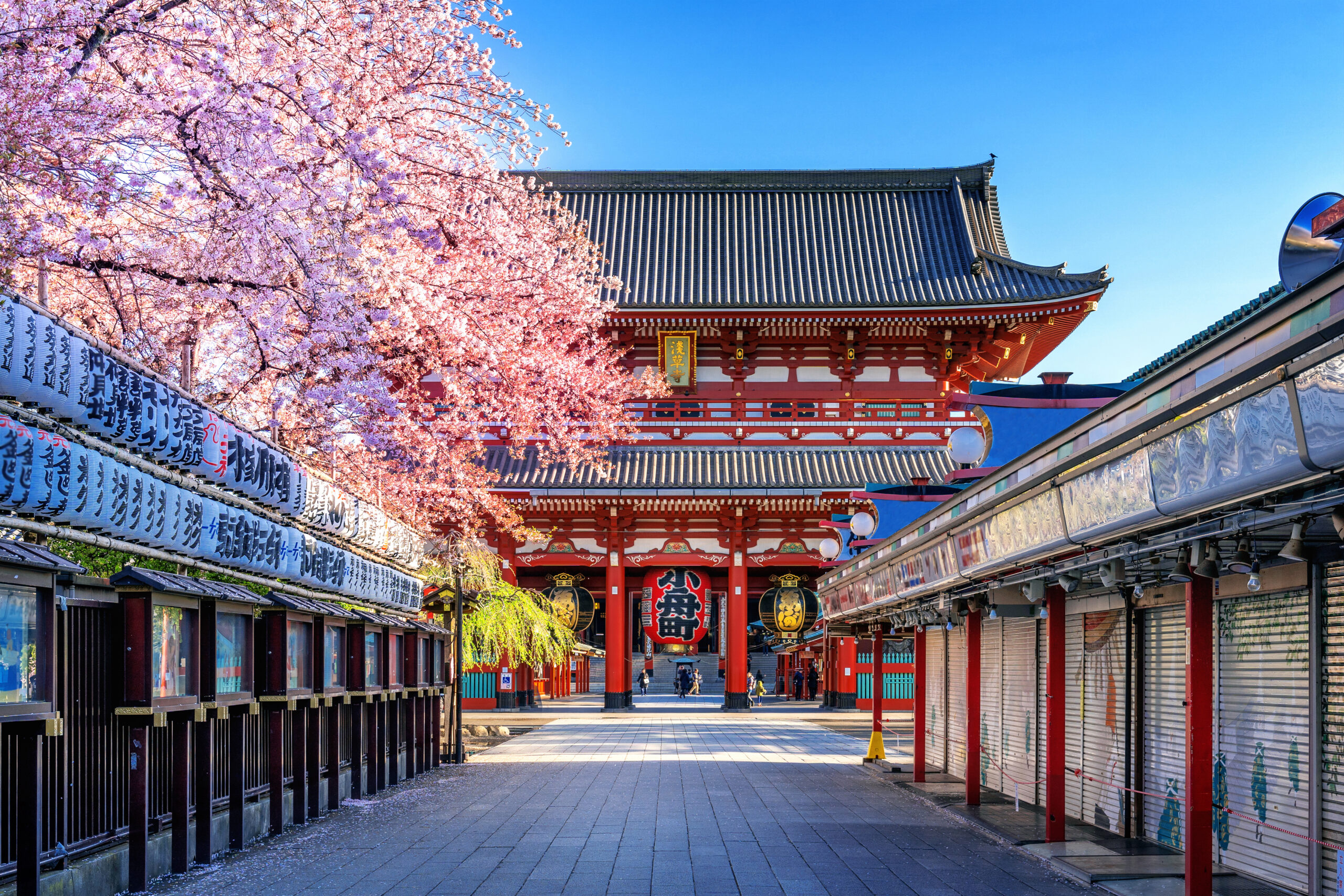
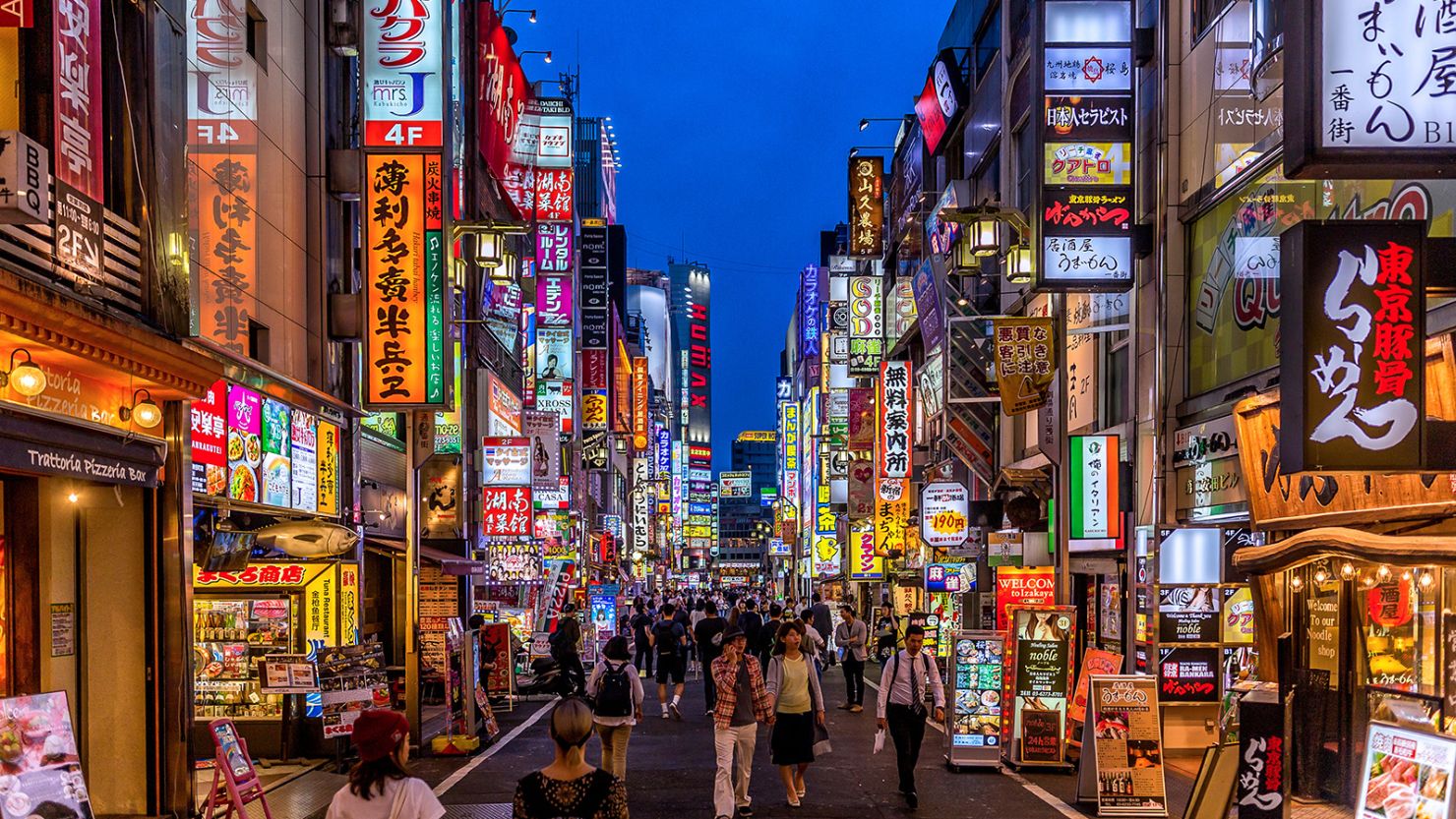
Embark on a unique and exciting experience as you explore Japan in spring, when the landscapes are transformed into a spectacle of natural beauty. Imagine walking under the cherry blossom trees, while the soft aroma of the flowers fills the air, creating a magical atmosphere in every corner. From your arrival in Narita, you will immerse yourself in the history and culture of the country. You’ll visit Tokyo, the vibrant capital, and travel by high-speed train to Osaka, where you’ll see the impressive Osaka Castle and the Todai-ji temple in Nara, home to a majestic giant Buddha. Kyoto will welcome you with its golden temples and traditional geisha quarters, where history comes to life. Every day, you will witness the perfect fusion between ancient and modern, while enjoying delicious local cuisine. Get ready to live an unforgettable adventure!
The trip includes
Round-trip flight ticket Mexico – Narita – Mexico, in economy class.
Bullet train ticket in economy class Nagoya – Odawaya.
4 nights accommodation in Kyoto.
3 nights accommodation in Tokyo.
1 night accommodation in Takayama.
1 night accommodation in Odawaya.
1 night accommodation on the train.
Meal plan as indicated in the itinerary.
Transfers as indicated.
Visits as indicated.
Spanish-speaking guides.
Bus.
Airline taxes per person.
The trip does NOT include
Personal expenses and extras at hotels.
Drinks.
Tips for porters, housekeepers, waiters, etc.
Tips in Japan: 50 USD per person.
Extra hotel expenses such as phone calls, laundry, etc.
Electronic entry visa for Canada e-TA.
Camera fees at monuments.
Seasonal supplement.
Any service not specified as included or specified as optional.
Airline taxes.
IMPORTANT
All prices are subject to date, availability, and the USD/MXN exchange rate.
- Destination
- DepartureMexico City / Mexico City
- Departure TimeIt will be defined in the week prior to departure
- Return TimeIt will be defined in the week prior to departure
- Dress CodeCasual, comfortable athletic clothing, hiking shoes, hat and light jacket.
- IncludedJapanPersonal GuideEntry FeesDeparture Taxes
- Not Included5 Star AccommodationAll Inclusive
FROM OUR GALLERY

Day 1: Departure - Mexico ✈ Narita
Day 2: Narita ✈ Tokio
Day 3: Tokio 🚄 Osaka - Nara 🚄 Kyoto
Day 4: Kyoto
Day 5: Kyoto
- Optional visit: (not included with additional cost): “HIROSHIMA” We will visit the Peace Memorial Park, built in 1954, it is dedicated to the legacy of Hiroshima as the first city to suffer a nuclear attack in 1945 during the Second World War and to the memory of all the victims of the bomb. The best known monument is the Atomic Bomb Dome. The story is told in detail at the Peace Museum. A short ferry ride from the mainland of Hiroshima is Miyajima Island. On the island is the wonderful Itsukushima Shrine with its huge red wooden sacred Torii gate and looks as if it floats on the water when the tide rises. (This is under restoration with no expected completion date).
Day 6: Kyoto 🚌 Shirakawago 🚌 Takayama
Day 7: Takayama🚌 Tsumago 🚌 Nagoya 🚄 Odawaya
Day 8: Odawaya 🚌 Hakone 🚌 Tokio
Day 9: Tokio
Day 10: Tokio
- Optional visit (not included with additional cost) “KAMAKURA” where we will visit: Hase Kannon Temple: One of the most important temples in Kamakura. The main figure of the temple is the 11-faced Buddhist deity Kannon; 9.18 meters high, which is considered the largest Buddhist statue made of wood in Japan. On the esplanade where the Kannon pavilion is located, a viewing platform rises overlooking the Kamakura coast. The Great Bronze Buddha: The Great Buddha of Kamakura is a 13.35 meter high bronze statue located outdoors in the Kotoku-In Buddhist temple. Tsuruoka Hachimangu Shrine: It is a symbolic shrine in Kamakura and was originally founded in the early 11th century to be dedicated to Hachiman, the guardian deity of the Genji (Minamoto) clan. Komachi Street: It is a popular street full of attractive shops, restaurants and street food stalls.
Day 11: Tokio - Narita - Mexico
TOUR LOCATION
Tokio
Narita
Narita is a city located in Chiba Prefecture, Japan, famous for its connection to Narita International Airport, one of the main entry points to the country. Although often seen only as a stopover, Narita offers a rich history and several tourist attractions that make it worth a visit. The history of Narita dates back more than a thousand years. Its development as an important religious center began in the 18th century with the construction of the Naritasan Shinshoji Temple, a Buddhist temple famous for its impressive pagodas and beautiful gardens. This temple is not only a place of worship, but also attracts many tourists for its architecture and year-round festivities, such as the famous cherry blossom festival in spring. Among the tourist attractions, the Naritasan Park stands out, a large green space that surrounds the temple, ideal for walks and picnics. The Narita Museum is also located here, offering a look at the city's history and culture. Another interesting place is Narita Airport, which not only functions as an arrival point, but also houses various shops and restaurants that reflect Japanese culture.Kyoto
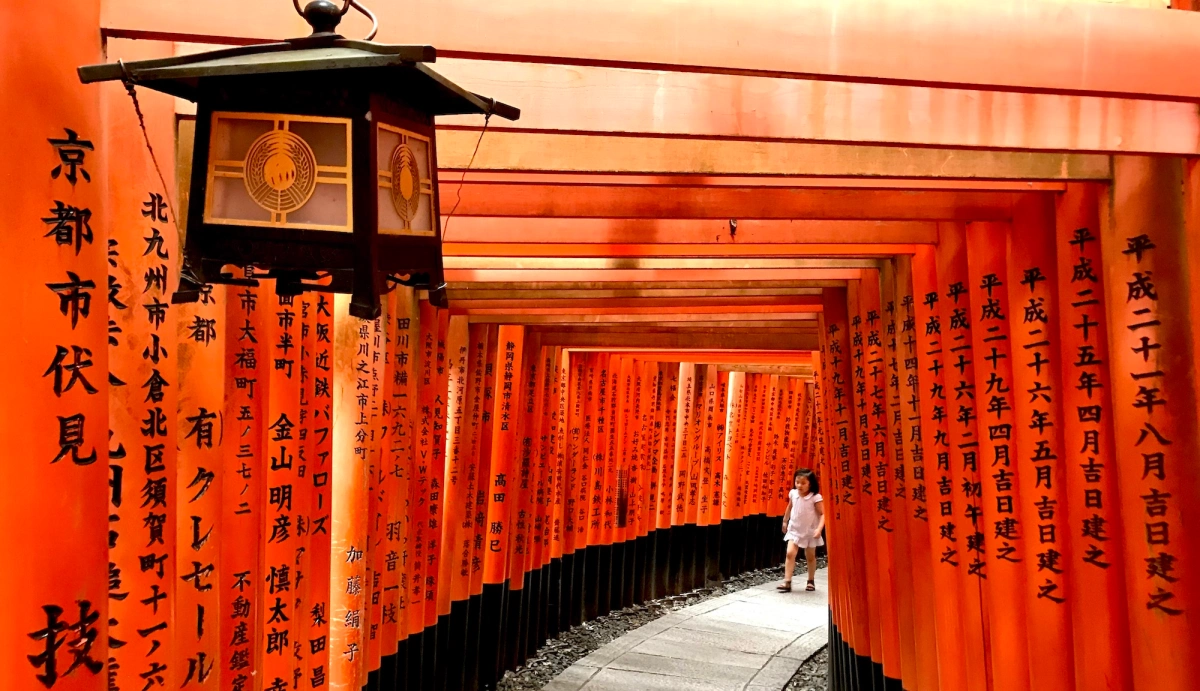
Kyoto, the former capital of Japan, is a city rich in history, culture, and traditions. Founded in the 8th century, it served as the political and cultural center of the country for over a thousand years. Despite the bombings of World War II, Kyoto managed to preserve much of its historical heritage, making it an unmissable tourist destination.Among Kyoto's main tourist attractions is the Kinkaku-ji Temple, also known as the Golden Pavilion, renowned for its stunning architecture and its reflection in the surrounding pond. Another highlight is the Fushimi Inari-taisha Shrine, famous for its thousands of red torii gates forming pathways through the mountain. Additionally, the Arashiyama Bamboo Forest is a magical place where visitors can stroll among towering bamboo and enjoy nature.The Gion area, known as the geisha district, offers a unique cultural experience where visitors can see these traditional artists walking through its streets. Nijo Castle, an impressive fortress that served as a residence for the Tokugawa shogunate, is also worth a visit for its architecture and gardens. Moreover, Kyoto is famous for its festivals, such as the Gion Matsuri, celebrated in July, which attracts thousands of visitors.The best times to travel to Kyoto are spring (March to May) and autumn (September to November), when the weather is mild and the landscapes are adorned with vibrant colors, especially with cherry blossoms in spring and autumn foliage.For Mexicans wishing to travel to Kyoto, the necessary documentation includes a valid passport and a return ticket. A visa is not required for stays of up to 90 days, making it easier to access this beautiful destination. It is advisable to carry a letter of invitation or proof of accommodation, as well as travel insurance for added peace of mind.Osaka
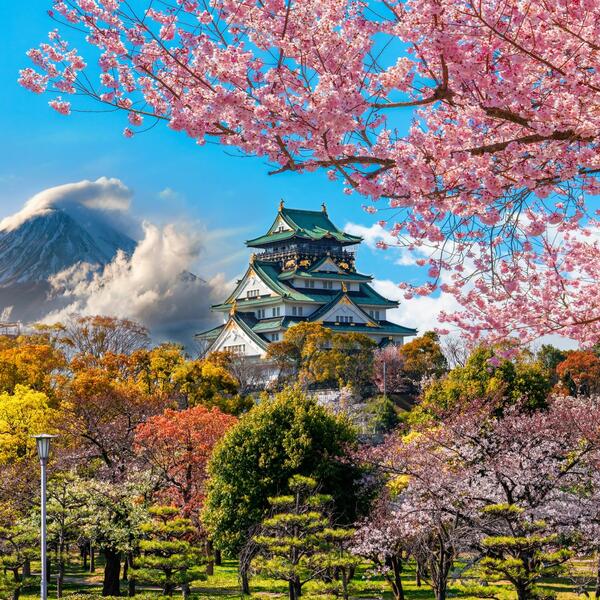
Osaka, located in the Kansai region, is the third largest city in Japan and a vibrant cultural and economic center. With a history dating back more than 1,400 years, Osaka has been an important port and trading center since ancient times, playing a key role in the unification of Japan during the Edo period. The city is famous for its rich food culture and festive atmosphere.One of the main tourist attractions in Osaka is Osaka Castle, an impressive fortress dating back to the 16th century. Surrounded by beautiful gardens, this castle offers panoramic views of the city from its tower. Another iconic spot is Dotonbori, a district famous for its nightlife, neon lights, and a variety of restaurants serving local specialties such as takoyaki (octopus balls) and okonomiyaki (Japanese omelette). The iconic image of the Glico Man sign is a symbol of the city.Osaka is also home to Shitennoji Temple, one of the oldest Buddhist temples in Japan, founded in the 6th century. Additionally, the Osaka Aquarium, known as Kaiyukan, is one of the largest aquariums in the world and features a variety of marine species, including the famous manta rays and whale sharks.Kansai
The Kansai region, located in central Japan, is famous for its rich history, vibrant culture and a unique blend of modernity and tradition. It comprises important cities such as Kyoto, Osaka and Kobe, which have played crucial roles in the country's history. Since ancient times, Kansai has been a political, cultural and economic center, housing Japan's ancient capital, Kyoto, for over a thousand years. This historical legacy is reflected in the architecture and temples of the region, which bear witness to the country's glorious past.Shirakawago
Shirakawago, a picturesque village located in the mountainous region of Gifu, Japan, is famous for its traditional gassho-zukuri architecture, characterized by steep thatched roofs designed to withstand the heavy winter snow. This village, designated as a UNESCO World Heritage Site in 1995, offers a unique glimpse into rural life in Japan and a connection to its rich history.The history of Shirakawago dates back to the 17th century, when its inhabitants began constructing their homes to adapt to the region's harsh climatic conditions. The village features over 100 traditional houses, some of which have stood for more than 250 years. Among them, the Wada House stands out as one of the largest and best-preserved, providing visitors with an opportunity to learn about the lifestyle of its former residents.Shirakawago boasts numerous tourist attractions. Visitors can stroll through the village streets, enjoy panoramic views from the Shiroyama viewpoint, and experience the beauty of the surrounding nature. In winter, the village transforms into a charming fairytale landscape, covered in snow, with houses illuminated at night for an unforgettable spectacle. During summer, lush green rice fields and wildflowers create an equally stunning setting.The best seasons to visit Shirakawago are spring (March to May) and autumn (September to November). In spring, cherry blossoms enhance the scenery, while in autumn, the leaves change color, offering breathtaking views. Winter is also a popular time, but visitors should prepare for cold temperatures and snow.For Mexicans planning to visit Shirakawago, a visa is not required for stays of up to 90 days, provided they have a valid passport with at least six months of validity. However, it is advisable to check for any entry restrictions or additional requirements that may exist due to the global health situation.Shirakawago is undoubtedly a destination that combines natural beauty, rich history, and a unique cultural experience, making it a must-see location on any traveler's itinerary in Japan.Tayakama
Takayama, located in Gifu Prefecture, Japan, is a city that combines natural beauty with a rich cultural heritage. Known as "Little Kyoto," Takayama has preserved its historical charm through its well-maintained Edo-era streets. Its history dates back centuries, when it served as an important hub for trade and sake production.One of Takayama's main tourist attractions is the old town (Sanmachi Suji), where visitors can stroll along cobblestone streets and admire traditional wooden houses, many of which now house shops, cafés, and museums. Another highlight is the Takayama Morning Market, where local farmers sell fresh produce and handmade crafts.The Takayama Festival, celebrated in spring and autumn, is renowned for its stunningly decorated floats and vibrant parades, attracting tourists from around the world. Another iconic site is the Hida Kokubunji Shrine, known for its five-story pagoda and peaceful atmosphere, perfect for reflection.For nature lovers, Takayama serves as the gateway to Chubu Sangaku National Park, offering a variety of outdoor activities such as hiking and wildlife observation. The region is particularly beautiful in autumn when the trees are adorned with vibrant colors.The best times to visit Takayama are spring (March to May) and autumn (September to November). In spring, cherry blossoms adorn the city, while autumn offers a spectacular display of colorful foliage.Mexicans planning to visit Takayama should note that no visa is required for stays of up to 90 days, provided they have a valid passport. It is recommended to carry travel insurance and check entry requirements, such as health protocols related to the pandemic.In summary, Takayama is a destination that offers a unique blend of history, culture, and nature, making it a must-visit location in Japan.Tsumago
Tsumago is a charming village located in the Kiso region of Nagano Prefecture, Japan. This locality is famous for its well-preserved historical atmosphere that transports visitors to the Edo period (1603-1868). Tsumago was one of the post towns on the ancient Nakasendo route, which connected Kyoto and Edo (modern-day Tokyo). For centuries, this route facilitated cultural and commercial exchange between the two cities, and Tsumago thrived as a strategic stop for travelers.The village has been restored to preserve its traditional architecture and is considered an important cultural heritage site in Japan. Its cobblestone streets are lined with wooden houses, many of which were once homes to merchants and samurai. Visitors can stroll through the town center, enjoy the peaceful atmosphere, and admire the beautiful surrounding mountain landscapes. Among the main attractions are the old ryokan (Japanese inn) Waki-Honjin, which offers an authentic experience of Japanese hospitality, and the Tsumago History Museum, which recounts the village's rich history.Additionally, Tsumago is an ideal starting point for exploring the trail that connects it to the neighboring village of Magome, an approximately 8-kilometer journey that traverses stunning natural landscapes and offers breathtaking views. The area is particularly popular among hikers and nature enthusiasts.The best time to visit Tsumago is during spring (March to May) and autumn (September to November). In spring, cherry blossoms enhance the region's beauty, while in autumn, the trees are adorned with warm, vibrant colors. The weather is mild and pleasant, making it perfect for outdoor activities.For Mexicans planning to visit Tsumago, a valid passport is required, but no visa is necessary for stays of up to 90 days. However, it is advisable to have travel insurance, as requirements may change. With its rich history, natural landscapes, and traditional architecture, Tsumago offers a unique experience that reflects the essence of ancient Japan.Hakone
Hakone, located approximately 80 kilometers southwest of Tokyo, is a popular tourist destination known for its stunning natural landscapes and rich cultural history. In ancient times, Hakone served as an important rest stop for travelers along the Tokaido route, which connected Tokyo (then Edo) with Kyoto. The region is famous for its hot springs, which have attracted visitors since the Edo period (1603-1868) for their therapeutic properties. Additionally, Hakone has been a source of inspiration for artists and poets throughout the centuries.One of Hakone's main attractions is the Hakone National Park, where visitors can enjoy breathtaking views of Mount Fuji and explore a variety of nature trails. Lake Ashi is another highlight, renowned for its scenic boat rides and beautiful surroundings. On the lake’s shore lies the Hakone Shrine, an important spiritual site with an impressive floating torii gate that offers a serene and picturesque atmosphere.Art enthusiasts should also visit the Hakone Open-Air Museum, which showcases contemporary sculptures in a stunning natural setting. Additionally, the Pola Museum of Art houses a valuable collection of European and Japanese artworks, including pieces by Renoir and Monet.The best seasons to visit Hakone are spring (March to May) and autumn (September to November). During these months, the weather is pleasant, and visitors can enjoy cherry blossoms in spring or the vibrant autumn foliage. Winter can also be enchanting, especially for those who want to experience snow and relax in the hot springs.For Mexicans planning to travel to Hakone, it is important to note that a visa is not required for stays of up to 90 days in Japan. However, a valid passport, a return ticket, and proof of accommodation are essential. With its rich history and natural beauty, Hakone promises an unforgettable experience in Japan.Hakone